Royal Doberman Kennels · Puppy Care
New Doberman Puppy Care Guide
Bringing home a Doberman puppy is the beginning of a rewarding journey. Learn how to prepare your home, establish healthy routines, support early training, and help your puppy settle in with confidence.
Start With the Essentials
Help Your Doberman Puppy Settle In
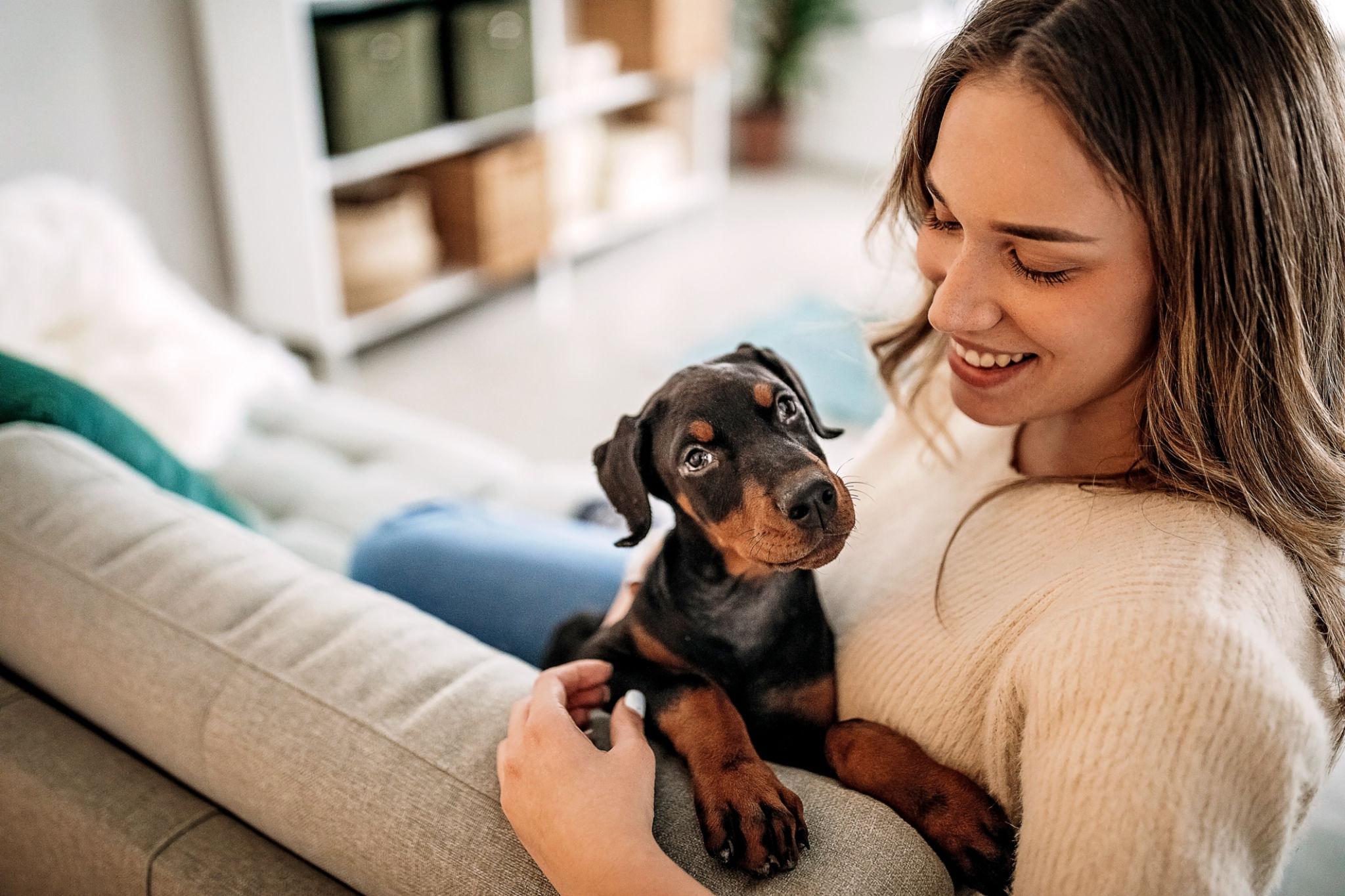
Dobermans are intelligent, active dogs that benefit from consistent routines, kind handling, appropriate exercise, and close companionship. During the first few weeks, focus on helping your puppy feel safe rather than expecting perfect behaviour immediately.
Every puppy develops at a different pace. Use this guide as a starting point and work with your veterinarian to tailor feeding, preventive healthcare, and activity to your puppy's age and needs.

The First Few Days
Six Steps for a Smooth Start
Keep your puppy's first experiences calm, positive, and predictable.
Prepare a Quiet Space
Set up a comfortable resting area away from heavy foot traffic. Introduce the sleeping space gradually and let your puppy rest without constant handling.
Keep the Routine Simple
Plan regular opportunities for meals, toilet breaks, gentle play, training, and sleep. Predictability can help reduce stress during the transition.
Introduce Family Members
Allow introductions one at a time. Teach children to stay calm, avoid pulling ears or tails, and leave the puppy alone while eating or sleeping.
Use Positive Rewards
Reward desirable behaviour with suitable treats, praise, play, or attention. Keep early lessons short and avoid frightening or physically punishing your puppy.
Arrange Veterinary Care
Contact your veterinary clinic promptly after bringing your puppy home. Share available records and ask when an examination and follow-up preventive care are due.
Allow Plenty of Rest
Puppies need substantial sleep. Provide a calm resting place and avoid filling every waking moment with visitors, play, or training.
Nutrition & Hydration
Build Healthy Feeding Habits
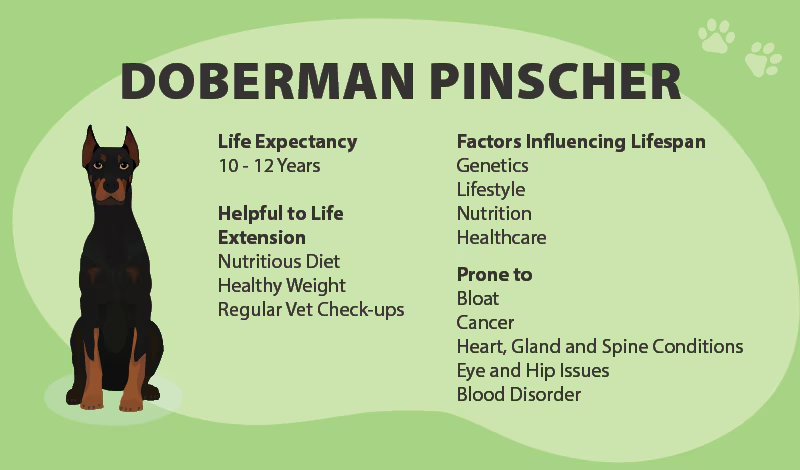
Choose a complete and balanced puppy food appropriate for your Doberman's growth stage. Because Dobermans are a large breed, ask your veterinarian to help select a suitable diet that supports controlled, healthy growth.
- Follow the food manufacturer's feeding guidance and your vet's advice.
- Measure portions and monitor your puppy's body condition and growth.
- Keep clean, fresh drinking water available.
- Introduce any dietary changes gradually unless your vet advises otherwise.
- Keep chocolate, grapes and raisins, onions, xylitol-containing products, and other known hazardous foods out of reach.
Everyday Training
Toilet Training and Good Habits
Consistency and immediate rewards help your puppy understand what you expect.
Offer Frequent Breaks
Take your puppy to the designated toilet area after waking, eating, drinking, playing, and before bedtime. Young puppies may need additional opportunities throughout the day.
Reward the Right Moment
Quietly praise and reward your puppy immediately after they toilet in the correct place. Use the same cue words consistently.
Handle Accidents Calmly
Clean indoor accidents with an appropriate pet-safe enzymatic cleaner. Never rub your puppy's nose in an accident or punish them after the event.
Introduce a Crate Gradually
Make the crate or pen comfortable and rewarding. Never use it as punishment or leave a puppy confined for longer than is appropriate for their age and needs.
Practise Basic Cues
Start with their name, coming when called, gentle handling, and simple cues such as sit. Keep sessions brief and end on a positive note.
Teach Calm Behaviour
Reward settling on a mat, quiet greetings, and four paws on the floor. Practise in small steps rather than expecting instant results.
Ready for more structured lessons? Explore our Doberman Training Guide.
Confidence & Social Skills
Socialise Safely and Gradually
Early socialisation helps puppies become familiar with different people, sounds, surfaces, and everyday situations. The goal is to create calm, positive experiences, not to expose a puppy to everything at once.
- Introduce new sights and sounds at a distance your puppy can manage.
- Reward relaxed behaviour and allow your puppy to move away if unsure.
- Choose calm, healthy, appropriately vaccinated dogs for introductions.
- Ask your veterinarian which public areas and puppy classes are suitable before your puppy completes their vaccine course.
- Avoid forcing interactions or allowing unfamiliar dogs to overwhelm your puppy.
Prepare Your Home
Doberman Puppy-Proofing Checklist
Inspect each room at puppy level before allowing supervised exploration.
Preventive Healthcare
Plan Your Puppy’s Veterinary Visits
Your veterinarian can create a schedule based on age, previous records, local risks, and health needs.
Health Examination
Arrange an initial examination and bring all available medical, vaccination, deworming, and treatment records. Ask about any symptoms or concerns you have noticed.
Vaccination & Parasites
Confirm which vaccinations and parasite-prevention treatments have been given and when the next steps are due. Do not assume a course is complete without checking the records.
Growth & Development
Discuss weight, diet, teeth, ears, skin, activity, and age-appropriate exercise. Ask your vet when to schedule follow-up visits.
Breed-Related Questions
Ask your veterinarian about Doberman health considerations, including dilated cardiomyopathy (DCM), von Willebrand disease, and other conditions relevant to your puppy's family history.
Dental & Grooming Care
Introduce gentle brushing, paw handling, nail checks, and tooth brushing gradually. Use products and techniques recommended for dogs.
Know When to Call
Contact a veterinarian promptly if your puppy is unusually weak, repeatedly vomiting, having persistent diarrhoea, refusing food, or showing other concerning changes.
Read more in our Puppy Health & Veterinary Records Guide and Health Guarantee page.
Before Your Puppy Arrives
New Puppy Supplies to Prepare
Have the essentials ready so your puppy can settle in without unnecessary disruption.
Food & Water
- Suitable food bowls
- Complete puppy food
- Fresh drinking water
- Small training rewards
Rest & Safety
- Comfortable bed
- Appropriately sized crate or pen
- Secure harness and lead
- Identification tag
Training & Cleaning
- Safe chew toys
- Pet-safe cleaning supplies
- Brush and nail-care tools
- Waste bags and toilet supplies
Frequently Asked Questions
New Doberman Puppy Care FAQs
Quick answers to common questions from first-time puppy owners.
What should I do on the first day with my Doberman puppy?
Give your puppy time to explore a quiet, puppy-proofed area under supervision. Offer their usual food and water, provide toilet breaks, keep introductions calm, and allow plenty of rest. Avoid a busy schedule of visitors and outings.
How often should I feed a Doberman puppy?
Feeding frequency and portion sizes depend on your puppy's age, food, body condition, and veterinary advice. Follow the food guidance and ask your veterinarian to tailor a plan for healthy growth.
When can my puppy go outside?
Your puppy can begin safe, controlled experiences early, but the right locations depend on vaccination status and local disease risk. Ask your veterinarian about safe outdoor areas, puppy classes, and contact with unfamiliar dogs.
How can I start toilet training?
Take your puppy to the same designated area frequently, particularly after sleeping, eating, drinking, and playing. Reward success immediately, supervise indoors, and respond to accidents calmly.
How much exercise does a young Doberman need?
Provide opportunities for gentle movement, exploration, and short training sessions, balanced with rest. Avoid forced endurance exercise or repetitive high-impact activity while your puppy is growing. Ask your veterinarian for age-appropriate guidance.
What health records should I receive with my puppy?
Ask for available veterinary examination records, vaccination and parasite-treatment history, feeding details, and relevant health information about the parents. Have your veterinarian review the documents and clarify anything that is missing.
Can I leave my Doberman puppy alone at home?
Puppies need gradual practice with brief, positive periods of separation. Build up slowly according to your puppy's age and comfort, arrange appropriate care, and avoid leaving a young puppy alone for extended periods.
Royal Doberman Kennels
Preparing for Your Doberman Journey?
Explore our available puppies, review the information you need before choosing a puppy, or contact us with questions about the next steps.